This content and any associated links were generated with the assistance of artificial intelligence and may still require editorial adjustments. You are solely responsible for verifying the accuracy of the information, reviewing external sources, and planning your visit accordingly.
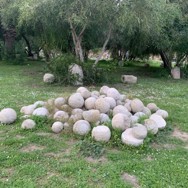
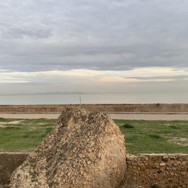
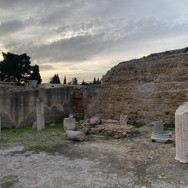
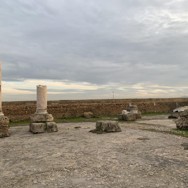
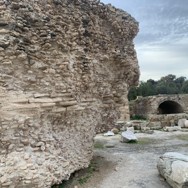
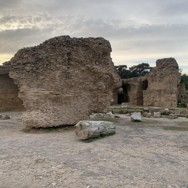
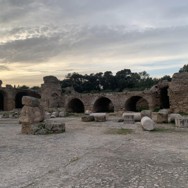
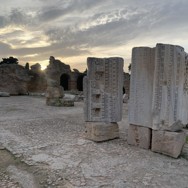
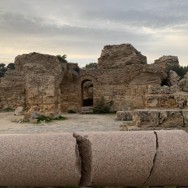
The Baths of Antoninus, located within the Archaeological Site of Carthage near Tunis Metropole in Tunisia, are the largest Roman public baths in Africa and a major heritage landmark reflecting ancient engineering and history. Visitors can explore extensive ruins that testify to the grandeur of Roman leisure architecture.
Constructed between approximately 145 and 162 CE under the reign of Antoninus Pius (with planning beginning under Hadrian), these baths stand out due to their elevated design driven by the challenges of coastal clay soil. Hypocausts and service rooms occupy the ground level, while bathing areas were built above, showcasing adaptive Roman engineering. Today the ruins form part of the UNESCO-listed Archaeological Site of Carthage.
The largest museum in Tunisia and the second largest in Africa, housed in a former beylical palace, renowned for its vast collection of Roman mosaics, Punic antiquities, Islamic art, and more.
Visit WebsiteOpening Hours: Tuesday to Sunday: 9:00 AM–5:00 PM (June 1–September 15), 9:30 AM–4:30 PM (September 16–May 30); closed Mondays.
Ticket Price: Approximately 11–13 TND (~USD 4–5) for non-residents, 8 TND for residents, and around 4 TND for seniors 60+; students often free with valid ID.
Located near the baths in Carthage, this museum showcases artifacts spanning Punic, Roman, and early Christian periods, including marble, glass, and epigraphic pieces.
Visit WebsiteOpening Hours: Tuesday to Sunday: 8:30 AM–5:00 PM (Sept 16–Apr 30), 8:00 AM–6:00 PM (May 1–Sept 15); closed Mondays.
Ticket Price: Around 10 TND; free on religious/national holidays and first Sunday of each month.