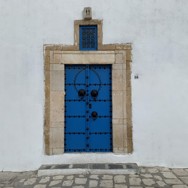
Sidi Bousaid
This content and any associated links were generated with the assistance of artificial intelligence
and may still require editorial adjustments.
You are solely responsible for verifying the accuracy of the information,
reviewing external sources, and planning your visit accordingly.
Welcome to Sidi Bou Said, Tunis Metropole
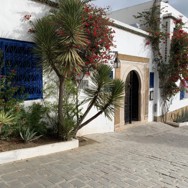
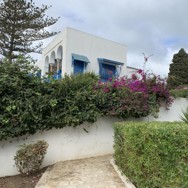
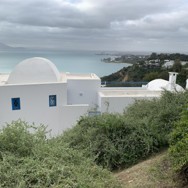
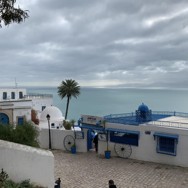
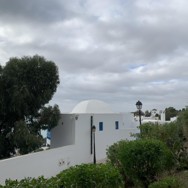
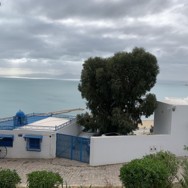
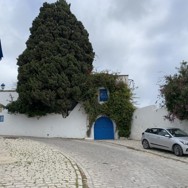
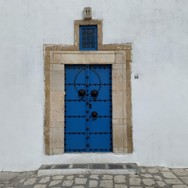
Perched on a cliff overlooking the Gulf of Tunis, Sidi Bou Said is a photogenic, historic village in Tunisia famed for its whitewashed houses trimmed in vivid blue, an ambiance preserved since 1915 under legal protection to maintain its architectural harmony (whc.unesco.org).
Historical Context
The town developed around the 13th-century mausoleum of the Sufi saint Abu Said al‑Baji. By the 18th century, it became a summer retreat for Tunisian elites. In the 1920s, Baron Rodolphe d’Erlanger introduced the blue-and-white aesthetic that defines the town today. Sidi Bou Said is recognized for its blend of spiritual heritage and architectural beauty, with a conservation decree dating back to 1915 (whc.unesco.org).
Landmarks
- Ennejma Ezzahra Palace: A magnificent early-20th-century palace built by Baron d’Erlanger, now housing the Centre for Arab and Mediterranean Music with lush gardens and sea views.
- Dar el‑Annabi: An 18th-century Tunisian residence transformed into a museum showcasing traditional domestic life with a charming courtyard and rooftop terrace.
- Sidi Bou Said Zawiya and Mosque: A spiritual complex centered on the saint’s mausoleum, blending religious architecture into the village’s aesthetic harmony.
- Leuchtturm (Lighthouse): Built in 1840, this white lighthouse stands at the village’s northeastern tip, serving as a maritime beacon with expansive sea views.
- Mediterranean Garden: A tranquil public garden with cacti, jasmine, fountains and shaded benches, gifted from Monaco, ideal for a serene stroll.
Museums
-
Ennejma Ezzahra – Centre for Arab and Mediterranean Music
A cultural institution in a palace setting, showcasing musical instruments, manuscripts and hosting concerts.
Opening Hours: Tue–Fri (and other weekdays except Monday & public holidays): Sep–Jun 9 am–1 pm & 2 pm–5 pm; Jul–Aug 9 am–3 pm; Ramadan 8 am–2 pm.
Ticket Price: 10 TND adults; 5 TND students; free for certain groups and free on the first Sunday of the month and International Museum Day (May 18).
-
Dar el‑Annabi Museum
A preserved traditional house museum illustrating 18th-century Tunisian upper-class life, with courtyard, interiors, and rooftop views.
Opening Hours: Daily 9 am–6 pm.
Ticket Price: Approximately 5 TND adults; students/children lower (around $2.50 equiv.) and includes a complimentary mint tea.
Tips for Visitors
- Visit museums early in the morning or on weekdays to avoid crowds, especially at Dar el‑Annabi.
- Stroll the narrow, jasmine-scented streets and explore artisan shops offering ceramics, perfumes, and handicrafts.
- Best photographs are captured at viewpoints near the lighthouse or along elevated alleys during sunset.
- Wear comfortable shoes for navigating cobbled paths and stairs; carry water—prices in tourist areas can be steep.
Sources
- UNESCO cultural heritage documentation on Sidi Bou Said’s architectural and historic value (whc.unesco.org)
- CMAM (Ennejma Ezzahra) official site for hours and prices (cmam.tn)
- Dar el‑Annabi information from Rehlat and Tripadvisor for hours and ticket details (rehlat.com)