This content and any associated links were generated with the assistance of artificial intelligence and may still require editorial adjustments. You are solely responsible for verifying the accuracy of the information, reviewing external sources, and planning your visit accordingly.
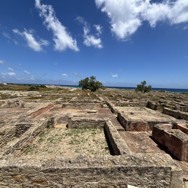
Explore the remarkably preserved Punic city of Kerkouane, located in Tunisia, an archaeological treasure offering insights into urban planning of the 3rd century BC. The site, never rebuilt by Romans, provides a rare window into Phoenician‑Punic civilisation. A compact museum onsite complements your visit with artefacts from daily life, religious practices and funerary rituals.
Kerkouane dates back to between the 6th and 3rd centuries BC and was abandoned during the First Punic War. The site was discovered in 1952 and is the only Punic town in the Mediterranean left intact, listed as a UNESCO World Heritage site (whc.unesco.org).
This small onsite museum, inaugurated in 1987, displays artefacts from the ancient site and its necropolises, including pottery, amphorae, domestic objects, imported ceramics, religious items and architectural fragments.
Visit WebsiteOpening Hours: Archaeological site and museum open daily 09:00–18:00; closed Mondays as part of standard practice at the site (wanderlog.com).
Ticket Price: Entry fee 8 TND (site and museum combined) (tunisia-travel-guide.com).
Located in nearby Nabeul, this archaeological museum (established 1984) houses Punic, Berber, Roman, Egyptian and local Cape Bon artefacts, including items related to Kerkouane such as Egyptian‑style amulets and Punic terracottas.
Opening Hours: Standard museum hours in Tunisia vary, but typically operate 08:00–16:00; please verify locally.
Ticket Price: Not specified; consult official sources or Nabeul cultural authorities for current rates.