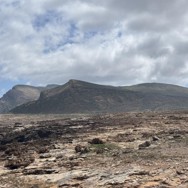
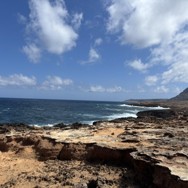
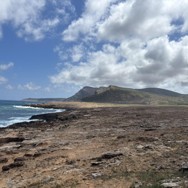
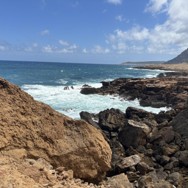
This content and any associated links were generated with the assistance of artificial intelligence and may still require editorial adjustments. You are solely responsible for verifying the accuracy of the information, reviewing external sources, and planning your visit accordingly.
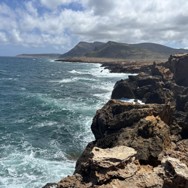
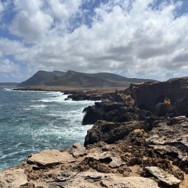
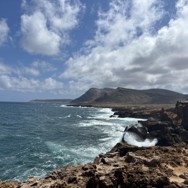
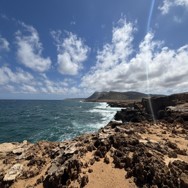
Discover the ancient Punic (Phoenician) quarries—known as the caves of Hawaria—nestled near the coastal town of Haouaria in northeastern Tunisia. These sandstone caves, exploited since the 7th century BC, were used to extract building blocks for historic monuments, including Carthage. Today, they remain an evocative archaeological site.
The Punic caves of Haouaria were quarried under the authority of Carthaginians and later by Romans, notably between the 7th and 6th centuries BC, and into Roman times. The extracted tufa was transported across the Gulf of Tunis to Carthage, demonstrating the region’s integral role in ancient Mediterranean architecture. The caves’ distinctive pyramid‑shaped chambers reflect the uniform mining techniques used.
This archaeological museum in Nabeul (within the Cap Bon region) houses a collection of Punic, Berber, Roman artifacts, mosaics, ceramics, and Punic statuettes from Thinissut and Kerkouane.
Visit WebsiteOpening Hours: Not listed; modestly sized and quietly maintained, open to visitors (review October 2025).
Ticket Price: Typically 5–8 TND for tourists, locals pay less; first Sunday of the month often free.
Located at the Punic city of Kerkouane (UNESCO World Heritage), this museum exhibits Punic stelae, terracotta figurines of deities (Tanit, Ba‘al Hammon), and cultic artifacts excavated on site.
Visit WebsiteOpening Hours: Aligned with Kerkouane archaeological site hours (typically daylight hours; confirm locally).
Ticket Price: Entry included with site ticket; around 10–12 TND multi‑site ticket by regional standards.