This content and any associated links were generated with the assistance of artificial intelligence and may still require editorial adjustments. You are solely responsible for verifying the accuracy of the information, reviewing external sources, and planning your visit accordingly.
Discover the spiritual and historical heart of Tunisia in the medina of Kairouan, a UNESCO World Heritage site founded in 670. Its urban fabric and monuments reflect centuries of Islamic civilization and scholarly activity (britannica.com).
Kairouan served as the capital of the Maghrib under the Aghlabids in the 9th century and became a major center of Islamic learning, law, and medicine (britannica.com). Its medina, reservoirs, and religious sites bear witness to the early development of Islamic thought and architecture (whc.unesco.org).
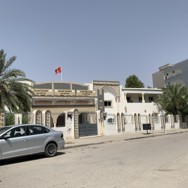
Located just south of the medina, it houses significant Islamic art and manuscript collections originating from Kairouan and its mosque school (britannica.com).
Visit WebsiteOpening Hours: Typically open daily, mornings and afternoons (check local info).
Ticket Price: Often included in the combined Kairouan tourist ticket (~12 TND) or approximately 2 TND individually (thenomadalmanac.com).
Though not a traditional museum, the medina itself—with its souks, traditional architecture, and urban layout—acts as a living museum of Islamic urbanism and craft (visittunisianow.com).
Visit WebsiteOpening Hours: Always accessible; daytime is best for exploration.
Ticket Price: Free to enter; some entrances to monuments may require the tourist ticket (~12 TND) (thenomadalmanac.com).